Genomics Science + IQ to support environmental stewardship and decision making
How would you work with other knowledge systems in large collaborative projects of the kind
that span all of Canada and the Arctic?
Emily Angulalik, Executive Director of Kitikmeot Heritage Society and Arctic
Genomics partner:
Kaaraq / Nerlernaq (Canada Goose)
The description of the flying formation of the Kaaraq is a metaphor. When we work together -
across different cultures, languages, and knowledge systems - we are the geese, flying in
formation together toward shared goals. The Elders speak of the benefit of working with southern
scientists; they may take the lead in a collaborative project when their expertise moves us
toward our goals. But when it comes to the guiding principles that are the foundation of working
with animals and in the Inuit Nunangat environment, it is time for Inuit to lead at the front of
the formation.
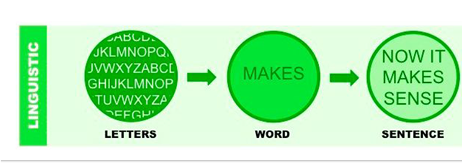
What is Genomics?
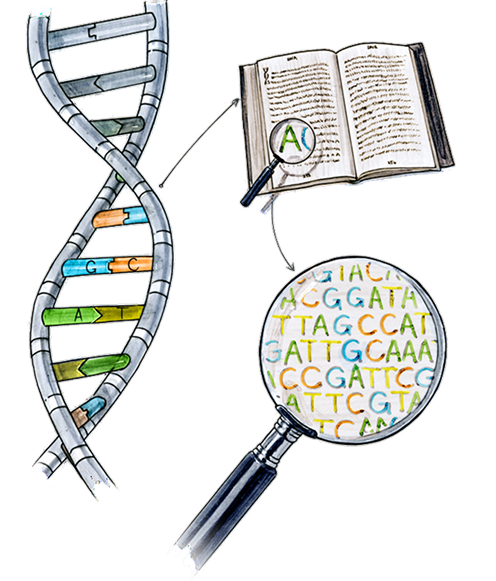
Genomics vs. Genetics
Genomics
Holistic view: All the DNA, function, all traits.
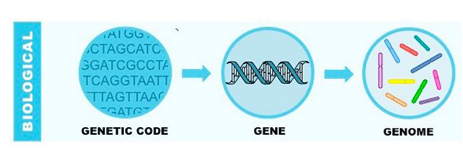
E.g., Tall, white, female with blue eyes and curly hair.
Genetics
Limited view: One or few genes, specific traits.
E.g., TAS2R38 present or not > Broccoli bitter or not.
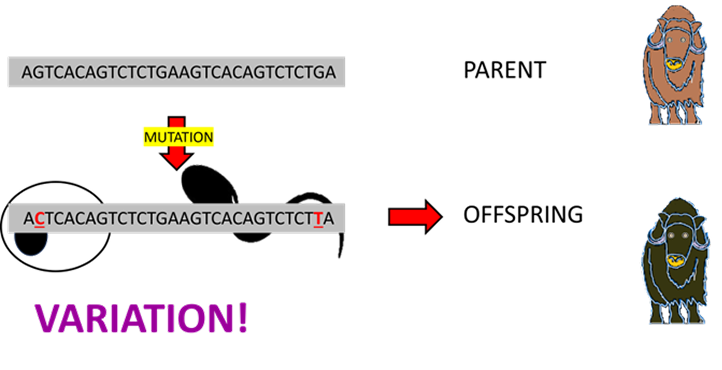
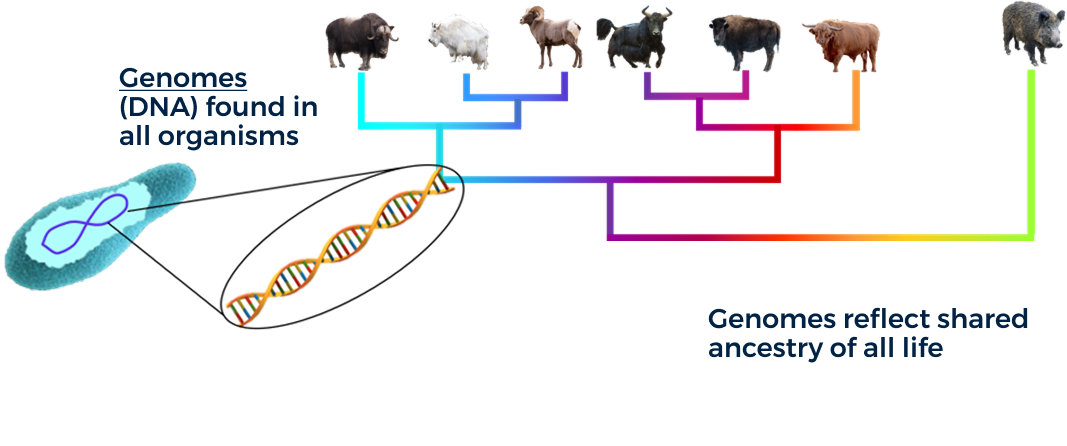
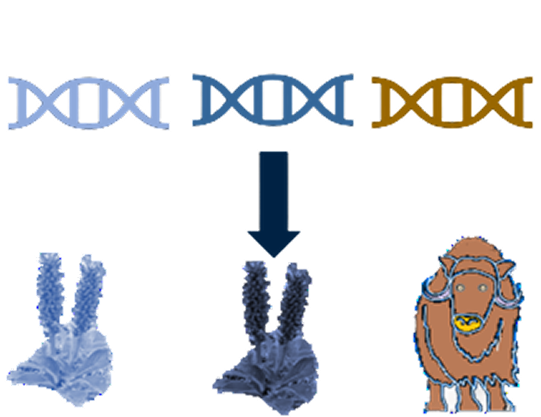
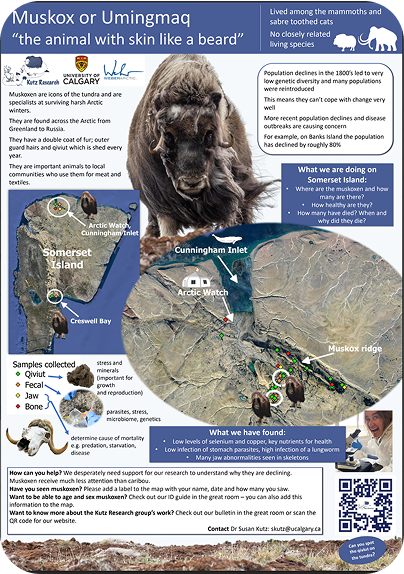
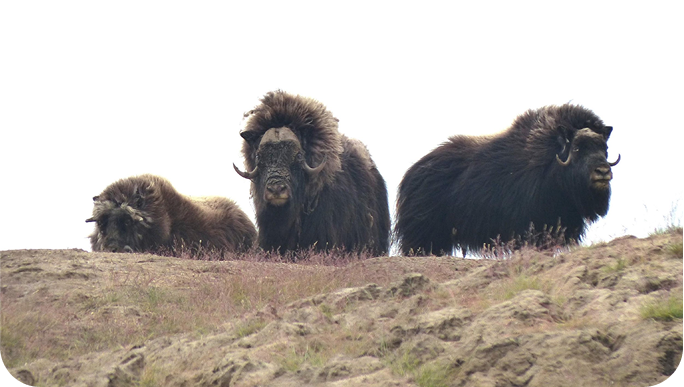
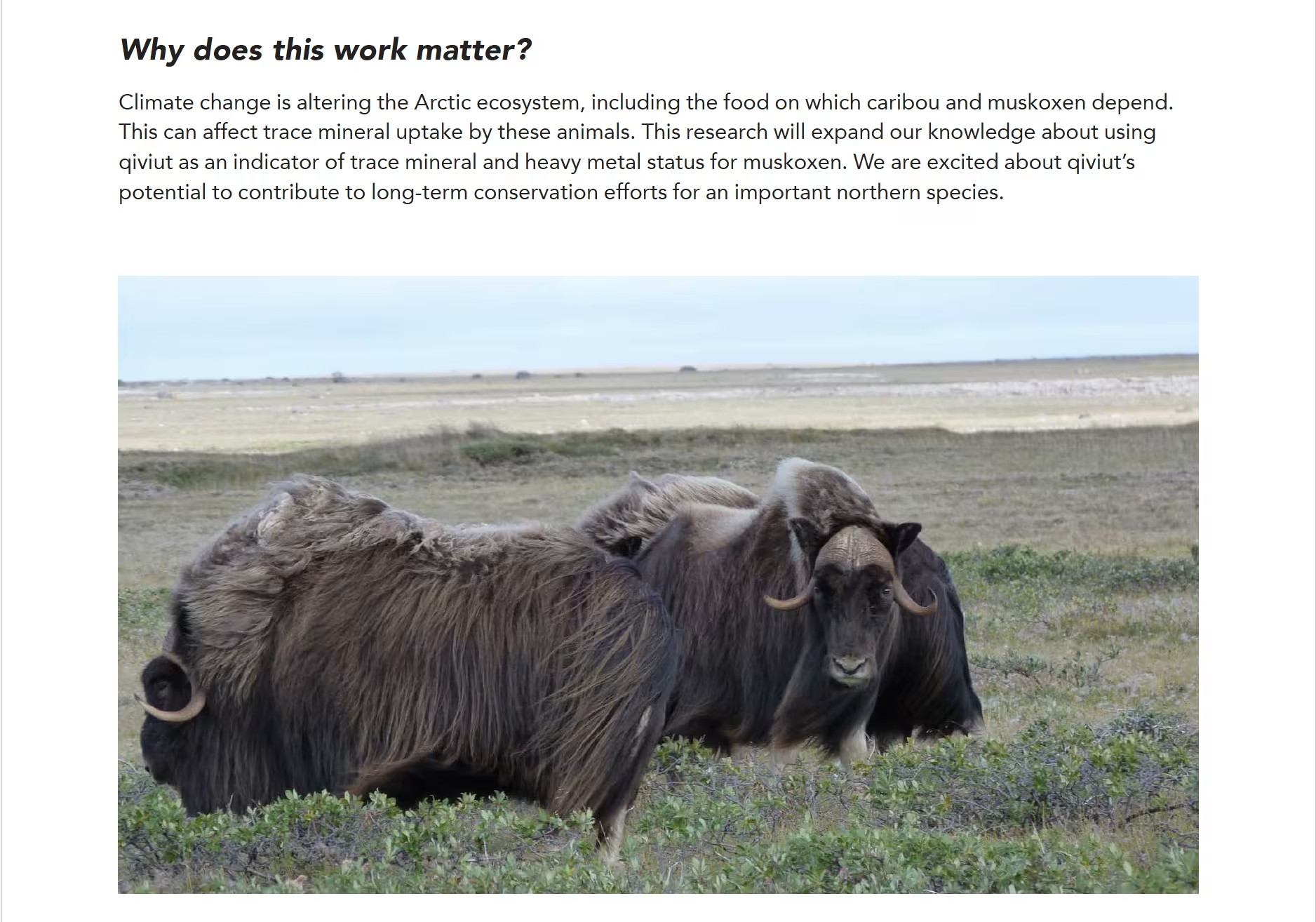
E.g., Dietary changes in Muskoxen may be monitored in response to climate-induced shifts in vegetation distributions.